Marketing positioning statement examples: 7 top brands and templates to guide your own
What is a marketing positioning statement?
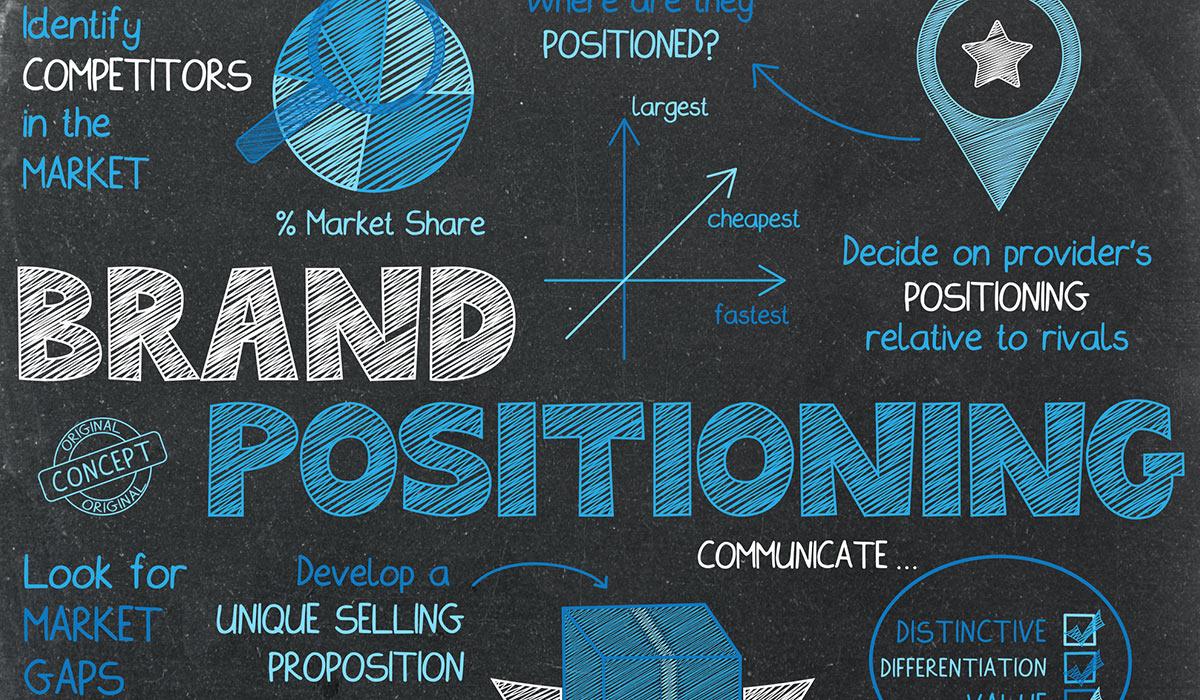
A marketing positioning statement is a concise internal document that defines a brand’s target audience, the unique value it delivers, and how it differentiates from competitors. It is the written expression of your brand positioning — translating your strategic market position into a reference point that keeps campaigns, messaging, and creative decisions aligned. Unlike a tagline or slogan, it is not customer-facing; it exists to drive internal consistency across every touchpoint.
Executing on that consistency requires more than strategy. Brand management is the continuous practice of shaping how audiences perceive, experience, and trust your brand, including the management of logos, imagery, colors, voice, messaging, and differentiation. At the operational level, that work depends on organized, accessible assets, which is where file management becomes essential.
How to write a balanced positioning statement
The following principles should be followed in order to create a helpful statement.
- Create a structured overview of the statement. Before digging into the process, have a layout created that offers an overarching plan to what things will be included.
- Explain your brand differentiation. Give the ways your brand is unique and capable of offering something the competition does not.
- Locate the right market. Define your specific customers and make it clear how you plan to help them solve their issues.
- Keep it on the shorter side. Though we want the statement to be concise, don’t go overboard. A few sentences will cover the important stuff.

Let’s take a look at some famous brands who have managed to stand the test of time, and see what type of statements they could potentially employ. After that, we’ll look at some sample templates for you to use.
Learn more about branding with our unique branding guide.
7 example companies that paved the way
The following are brand positioning statements that would work for popular companies, giving you insight into how a statement can be helpful.
1. Pepsi
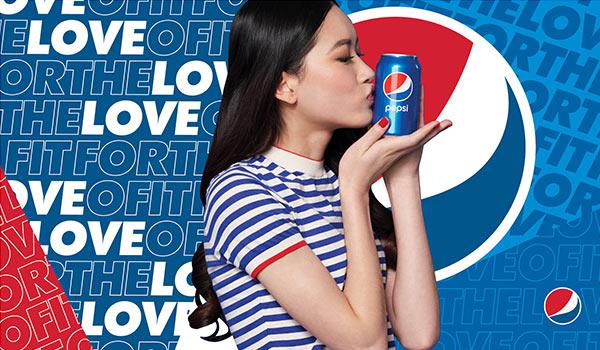
Pepsi is for people who want great tasting soda, and it offers a unique cola flavor that is great for all different types of occasions. Pepsi stands out by being a youthful, forward-thinking company that has been around for many years.
Key takeaway to consider: The drive behind Pepsi’s statement is clearly powered by the idea of a unique product and general experience.
2. Amazon
Amazon sells books, movies, household items and more online. For people with limited time in their day who want to reduce the stress of heading to the store or the mall to shop, Amazon has nearly everything you need all in one place. Plus, it delivers products to customers quickly, using a dedicated fleet of drivers.
Key takeaway to consider: Amazon’s aim is to be different through efficiency and customer convenience.
3. Apple
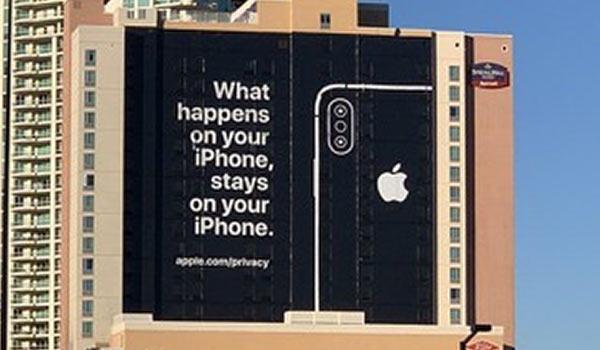
For people who love to be first to get the newest form of technology, be it a tablet or smartphone, Apple stands out by giving unique experiences and one-of-a-kind products. Apple focuses on the future of technology and the ways each new product could change the lives of its customers.
Key takeaway to consider: Apple acts as a bridge between customers and the latest gadgets and tech.
4. Nike

Nike is targeted to all types of athletes who want clothing that offers performance and comfort while also standing for something more. Nike ensures its customers know they’re getting an edge in competition with their apparel and makes customers feel like they’re part of something bigger.
Key takeaway to consider: Nike gives customers an extra intangible when it sells its athletic gear.
5. Facebook
Facebook is for social-seeking people who want to stay connected to old friends and meet new ones as well. It offers a unique way to digitally enhance your social life and keep customers happy by helping them be a part of the things they enjoy with the people they want to be around.
Key takeaway to consider: Facebook wants to be the way in which people communicate in the future.
6. Tesla
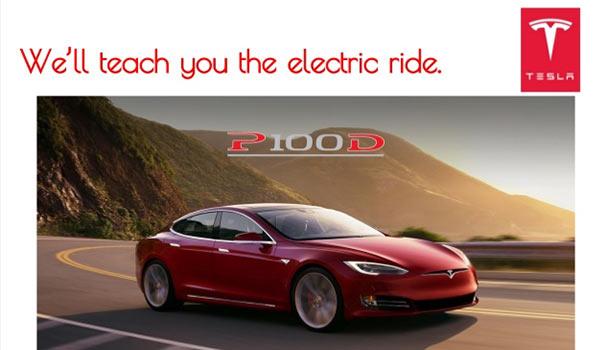
Tesla helps environmentally-progressive people who want to protect their environment and save money over the long haul. Tesla uses software to update their model automobiles and solves the environmental issues of using gasoline by going electric. It is for customers who want a combination of savings, innovation and awareness.
Key takeaway to consider: Tesla is changing the outlook of driving and energy usage for willing customers.
7. Microsoft
Microsoft is targeted toward computer users who need work-related software tools for business and personal use. Microsoft helps customers see how efficient a PC can be when the right software suite is in place, and makes them feel like they’re always taking the next big step with new updates.
Key takeaway to consider: Microsoft will bring convenience to the potential overwhelming nature of personal computers.
Now that you have an idea of what popular brands might use for a positioning statement, here are a few example templates to get you on the right path.
Proven brand positioning statement templates
The following are two different style branding positioning statement templates, which should serve as good examples for you to see how they would both function.
The first template example is in sentence/written form. I crafted this template with the core components each template needs, but there’s always going to be variance. Input your own elements if necessary. I’ll use both of these templates in my examples so you can see them in action.
Template 1
[Our company] is targeted toward [core customers] who want [what they want]. [Our company] offers [how you propose to give the customer what they want] and makes customers [how your company makes them feel].
Template 1 Example
Digital Library is targeted toward people who love reading who want less clutter. Digital Library offers unlimited online books in a central location and makes customers feel organized and in-control.
The above example demonstrates how well a brand positioning statement defines a company’s goals. It also gives hope that a brand can have materials marketed with its core values attached.
Note that the elements of the above template may not be best for your brand. Switch out whichever best helps construct your ideal positioning statement.
The second template is in table form, which gives brands a chance to create a bare bones outline for their statement. Note that I’ve changed some of the functional elements included from the first template, though these are just guidelines. Your template should differ depending on your brand.
Template 2
| For | Your target market |
| Our company | What we do specifically |
| Your problem | The customer’s main problem you can address |
| Our solution | How you plan on fixing their problem with your product or service |
| We have | What qualifies your brand as reputable |
Template 2 Example
| For | People in charge of their family’s grocery shopping |
| Our company | Sells groceries online |
| Your problem | Restricted travel / expenses / time |
| Our solution | Groceries come directly to you; prices are lower than mainstream stores; same day delivery |
| We have | Proven results over 25 years in the grocery industry |
Getting started
At the end of the day, a positioning statement acts the same way a visible to-do list does. They both inform you of what needs to happen in order for things to get done correctly.
When you need everyone on the same page, look no further than a positioning statement. Use the above examples to guide your path to success.