
Digital asset specialist: Complete career guide for 2026
| January 23, 2026

What is a digital asset specialist?
A digital asset specialist is a professional responsible for the comprehensive management, organization, storage, and distribution of digital files within an organization.
This role combines technical expertise in digital asset management systems with a deep understanding of organizational workflows, making specialists essential bridges between technology infrastructure and user needs.
Unlike broader digital asset management positions, specialists focus on the tactical execution of asset workflows while developing specialized expertise in specific areas, such as rights management, brand compliance, or industry-specific requirements.
The digital asset specialist role sits at the intersection of information science, technology, and strategic business operations, requiring professionals to manage digital assets while ensuring brand consistency across organizational touchpoints.
What this guide covers
This comprehensive guide covers role responsibilities, career advancement strategies, required technical skills, salary expectations, and industry outlook for digital asset specialist positions. We’ll explore:
- Specialization areas
- Certification requirements
- Practical steps for building expertise
Who this digital asset specialist guide is for
This digital asset specialist guide is designed for information professionals, DAM coordinators, students, and recent graduates with degrees in information science or related fields who are interested in digital asset management careers, as well as career changers from IT, marketing, or library science backgrounds.
Whether you’re currently working in content management systems or exploring digital marketing careers, you’ll find actionable guidance for transitioning into digital asset specialist roles.
Why this guide matters
The demand for digital asset specialists continues to grow as organizations produce unprecedented volumes of digital content while facing increasingly stringent regulatory compliance requirements.
Organizations and professionals benefit from hiring or becoming digital asset specialists by improving efficiency, enhancing compliance, and gaining a competitive advantage through effective digital asset management.
DAM adoption has accelerated digital transformation initiatives, creating specialized career opportunities that combine technical skills with business acumen. These positions offer strong salary growth potential and job security in an increasingly digital world.
What you’ll learn in the digital asset specialist guide:
- Core competencies distinguishing specialists from general DAM practitioners
- Career advancement strategies and certification pathways
- Technical requirements and specialization areas
- Industry salary ranges and job market outlook
Understanding digital asset specialization
Digital asset specialization represents focused expertise within the broader field of digital asset management, distinguishing specialists from general DAM practitioners through deep knowledge in specific functional or industry areas.
While digital asset managers typically oversee entire DAM programs, specialists develop concentrated expertise that makes them invaluable for complex organizational needs. Digital asset specialists can understand and translate complex requirements into practical solutions, ensuring successful implementation and scalable capabilities. This specialization approach enables professionals to command higher salaries while providing critical support for sophisticated digital content operations.
The distinction matters because modern organizations require both strategic DAM oversight and tactical specialized knowledge — such as digital curation — to manage digital assets effectively across diverse use cases and compliance requirements.

What are the types of digital asset specialization?
Digital asset specialists typically focus on three primary specialization areas, each offering distinct career advancement opportunities.
Technical specialization
Technical specialization encompasses DAM system architecture, API integration, and the implementation of metadata management standards. Specialists in this area become experts in specific platforms, such as Canto, Adobe AEM Assets, Bynder, or Widen, developing advanced configuration and customization skills that organizations need for complex digital asset workflows.
Technical specialists also manage a variety of digital assets, including images, and emphasize the importance of efficiently storing them in a centralized system.
Industry specialization
Industry specialization focuses on sector-specific requirements in healthcare, finance, media, retail, or cultural heritage organizations. These specialists understand unique compliance needs, workflow patterns, and metadata requirements that define how digital assets function within specific industry contexts.
Functional specialization
Functional specialization centers on specific business processes, such as digital rights management, brand compliance automation, or workflow optimization. This connects to broader organizational goals because specialized knowledge directly supports strategic business objectives through improved operational efficiency.
Ongoing maintenance of digital asset systems is also a key responsibility for specialists, ensuring platforms remain accurate, up-to-date, and aligned with organizational needs.
Evolution of the digital asset specialist role
Digital asset specialist positions evolved from general IT roles as organizations recognized the need for dedicated expertise in managing increasingly complex digital content ecosystems.
This historical development reflects broader digital transformation initiatives that created demand for professionals who understand both technical DAM implementation and business strategy. Ongoing research and development are essential for advancing digital asset management best practices, ensuring security, and optimizing system workflows to keep pace with industry standards and technology advancements.
Modern specialists must navigate AI-powered automation, machine learning applications for metadata tagging, and cloud-based DAM platforms that require specialized configuration knowledge.
Understanding these specialization foundations prepares us to examine the specific responsibilities that define modern digital asset specialist roles.
What are a digital asset specialist’s core responsibilities?
Digital asset specialists execute sophisticated technical and strategic functions that require both DAM knowledge and specialized expertise in their chosen focus areas.
Technical implementation and management
Specialists configure and optimize DAM systems for specific organizational use cases, requiring a deep understanding of metadata standards, taxonomy development, and system integration capabilities.
DAM system configuration involves customizing platforms to support specialized DAM workflows, implementing automated approval processes, and creating custom metadata schemas that help organize digital assets. This work requires advanced technical skills beyond basic DAM administration.
Integration management connects DAM platforms with creative tools like Adobe Creative Suite and Figma, content management systems, and marketing automation platforms. Specialists must understand API functionality and data flow requirements to ensure uninterrupted asset access across an organization’s marketing technology stack.
Performance optimization involves monitoring system performance, troubleshooting complex technical issues, and implementing solutions that maintain the DAM platform’s functionality under heavy usage. Providing timely assistance to users and teams during technical implementation and troubleshooting is essential to ensure smooth DAM adoption and ongoing system reliability.
Governance and compliance specialization
Rights management and compliance are critical specialization areas where specialists develop expertise to protect organizations from legal and brand risks.
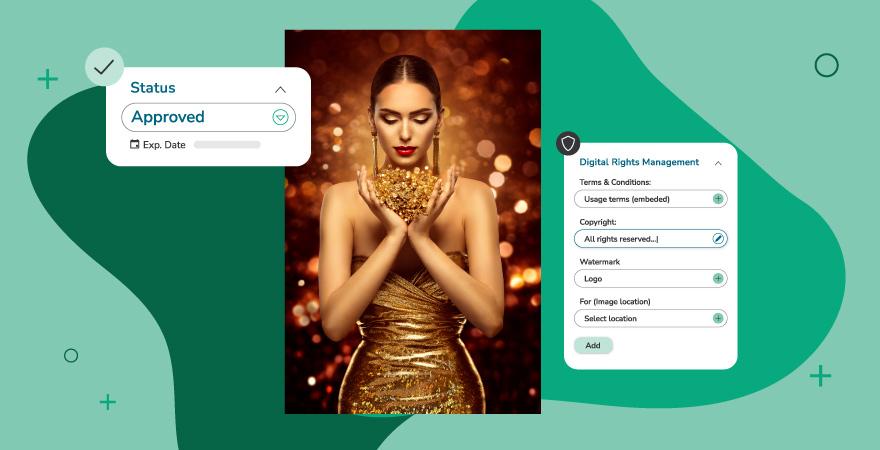
Rights management requires understanding licensing compliance across global markets, implementing automated tracking systems for usage rights, and creating workflows that prevent unauthorized asset usage. This specialization area demands knowledge of intellectual property law and international licensing frameworks.
Brand compliance involves enforcing brand guidelines through automated approval workflows, establishing governance structures that ensure brand consistency, and implementing monitoring systems to identify compliance violations before they impact the organizational reputation.
Regulatory compliance addresses data privacy and security protocols, including GDPR and CCPA requirements for digital assets, as well as audit trail management and reporting capabilities that support organizational compliance initiatives.
Strategic consulting and training
Advanced specialists often serve as internal consultants, guiding the development of DAM strategies and change management initiatives across organizations.
Strategy development involves assessing organizational needs, designing DAM implementation roadmaps, and creating governance frameworks that support long-term digital asset management objectives. This work requires understanding both technical capabilities and business strategy.
Training program design creates specialized education curricula that help users adopt complex DAM workflows, industry-specific requirements, and advanced platform functionality. Specialists must translate technical knowledge into accessible instruction that supports organizational adoption goals.
ROI measurement involves developing KPI and metric frameworks to demonstrate the ROI of digital asset management, as well as creating reports that connect DAM performance to organizational objectives.
Career path and skills development
These core responsibilities provide the foundation for understanding how specialists can develop expertise and advance their careers in this growing field.
Building digital asset specialist expertise requires systematic skill development combined with hands-on experience in specialized DAM applications and industry contexts. A bachelor’s degree is often required for entry into advanced certificate programs in this field. Some professionals and students also pursue a master’s degree in information science or related fields to further their expertise. Courses in database management are crucial for developing expertise in digital curation and data services.
Step-by-step: Building digital asset specialist expertise
When to use this path: For professionals with over two years in DAM, IT, content management, or related experience who want to develop specialized expertise.
- Obtain foundational DAM certification: Complete a certificate program through Rutgers University’s Bronze Certificate or AIIM DAM certification to establish core digital asset management knowledge and industry credibility.
- Gain hands-on platform experience: Develop proficiency with major DAM systems, including Canto, Bynder, Widen, Adobe AEM Assets, or other DAM platforms, through training courses, sandbox environments, or entry-level positions.
- Develop specialization focus: Choose a specialization area based on career interests and market demand, then pursue advanced training in rights management, brand compliance, technical implementation, or industry-specific applications.
- Build consulting capabilities: Lead internal process improvement projects, conduct user training sessions, and develop expertise in change management to prepare for advanced specialist responsibilities.
Comparison: In-house specialist vs. consulting specialist
| DAM specialist type | In-house specialist | Consulting specialist |
|---|---|---|
| Salary range | $75,000-$120,000 | $90,000-$150,000+ |
| Project variety | Limited to a single organization | Diverse client projects |
| Travel requirements | Minimal | Extensive |
| Expertise development | Deep system knowledge | Broad platform exposure |
| Client interaction | Internal stakeholders only | Multiple client management |
In-house specialists develop deep expertise in specific organizational contexts and DAM platforms, providing stability and focused career development within single organizations. Consulting specialists gain broader exposure to diverse industry challenges and DAM implementations, commanding higher compensation due to their specialized knowledge that serves multiple client organizations.
Understanding career paths helps identify the challenges specialists commonly face and effective strategies for overcoming them.
Common challenges and solutions
Digital asset specialists face unique professional challenges that require proactive strategies to maintain expertise and demonstrate value in rapidly evolving technology environments.
Challenge 1: Keeping up with rapidly evolving DAM technology
Solution: Establish a structured learning routine that includes vendor webinars, industry conferences like DAM LA and Henry Stewart DAM events, and active participation in online communities focused on digital asset management.
Successful DAM specialists dedicate 3-5 hours weekly to professional development, following DAM trends in technology blogs, participating in user groups for their platform specializations, and completing continuing education courses that maintain their technical expertise.
Challenge 2: Demonstrating the ROI and business value of specialization
Solution: Develop a comprehensive metrics-tracking framework to measure time savings, asset reuse rates, compliance improvements, and user adoption statistics, quantifying the impact of specialized DAM knowledge.
Create quarterly reports that connect DAM performance improvements to specific business outcomes, including reduced content creation costs, faster campaign deployment, and improved brand consistency across digital marketing initiatives.
Challenge 3: Balancing technical depth with business acumen
Solution: Pursue cross-functional projects involving marketing, legal, and IT teams to build business context while maintaining technical expertise through hands-on DAM system work.
Volunteer for digital transformation initiatives, participate in technology selection committees, and seek opportunities to present DAM solutions to executive leadership to develop the business communication skills essential for career advancement.
These challenge management strategies support long-term success in digital asset specialist careers.
Putting digital asset expertise into practice
The digital asset specialist role has become essential as organizations manage increasingly complex content ecosystems. Throughout this guide, we’ve explored how specialists combine technical DAM expertise, industry knowledge, and strategic thinking to ensure digital assets remain organized, compliant, and accessible at scale. For professionals, this career path offers long-term growth, specialization opportunities, and meaningful impact across content, marketing, and IT operations.
Moving from theory to execution requires more than understanding DAM concepts — it requires working with platforms designed to support real-world workflows, governance needs, and collaboration at scale.
Canto helps organizations and digital asset specialists centralize content, apply structured metadata, enforce brand and rights management, and streamline asset distribution across teams.
Additional resources
- Professional associations: Digital Asset Management Association (DAMA), Information Governance Professionals Organization (IGPO)
- Certification programs: Rutgers University Certificate in Digital Asset Management, AIIM Information Governance certification
- Industry publications: DAM News, CMSWire Digital Asset Management coverage, Information Management Magazine