Brand asset management: The foundation of a strong brand
Brand asset management (BAM) is the process of organizing, storing, and managing a company’s brand assets in a centralized system so every team has access to the right digital assets at the right time. Logos, color palettes, fonts, brand templates, photography, video, and brand guidelines all live in one secure place — searchable, up to date, and ready to use.
For growing businesses, brand asset management is no longer a nice-to-have. Brand assets scattered across inboxes, shared drives, and personal desktops create real problems. Marketing teams use old versions of brand assets. Designers recreate digital files that already exist. Approvals stall. The result is inconsistent branding, wasted effort, and campaigns that take longer than they should.
A good brand asset management system solves all of this. And done well, it does much more than just store files — it protects your brand’s image, reinforces your brand values, and ensures every piece of content going out into the world accurately represents your strong brand identity. That’s why choosing the right brand asset management software is one of the most practical decisions a growing business can make.
What counts as a brand asset?
Brand assets are any materials that represent your brand’s visual identity, core values, and communication style. That includes:
- Company logos and logo variations
- Color palettes and typography guidelines
- Photography, video content, and other visual assets
- Marketing materials and brand templates
- Brand style guides
- Presentation decks and social media templates
- Approved copy and messaging guidelines
Together, these creative assets define how your brand looks, sounds, and feels across every customer interaction. Managing brand assets well means every team member, agency, and external partner is always working from approved, on-brand versions that reflect your brand mission and speak to your target audience. Brand-related assets like logos and brand templates are the most sensitive in this group, since misuse is most visible to customers.
Brand asset management compared to digital asset management
A digital asset management (DAM) platform stores, organizes, searches, manages, and distributes your brand’s digital assets. It’s closely related to and brand asset management but they serve slightly different purposes.
| DAM | BAM | |
|---|---|---|
| Scope | All digital assets across the organization | Brand-specific assets only |
| Asset stage | Digital assets at any stage, from drafts to finals | Very curated, finalized, approved brand assets |
| Primary goal | Operational efficiency, team collaboration, and brand consistency | Brand consistency and compliance |
| Who uses it | Most teams (marketing, creative, sales, operations, product, brand) | Marketing, creative, and brand teams |
| Typical assets | Docs, contracts, raw footage, internal files, logos, templates, style guides, campaign assets, product shots, finalized videos — almost anything | Logos, templates, guidelines, campaign assets |
A DAM system manages all types of digital assets across an organization — including content at various stages of development, from raw files to finished deliverables. It’s a broad system built for operational efficiency and collaboration across teams, not only managing brand-related assets.
Brand asset management is a subset of DAM that focuses specifically on the digital assets tied to your brand identity. A BAM system stores carefully curated, finalized brand assets: the versions marketing and design teams should actually be using. It prioritizes brand consistency and compliance, ensuring that logos are used correctly, brand guidelines are followed, and nothing off-brand reaches your target audience.
In practice, many organizations build their brand asset management strategy into a broader DAM system.
Why brand asset management matters
It keeps your brand instantly recognizable
Maintaining brand consistency is one of the most important returns from any brand asset management strategy. When your visual elements, messaging, and brand voice are aligned across every channel, customers find your brand instantly recognizable — and a recognizable brand builds trust. Strong brand recognition drives revenue: research suggests consistent branding can contribute to revenue increases of up to 23%.
A BAM strategy ensures brand assets are used consistently whether they appear in a paid campaign, a sales deck, a social post, or packaging. Everyone works from the same source of truth, and brand recognition grows steadily over time as audiences encounter consistent brand assets across channels.
It saves time and money at scale
Without a central hub for brand assets, marketing teams spend hours every week searching for digital assets, recreating files that already exist, and chasing down approvals. Multiply that across any sizable business and the inefficiency adds up fast.
Effective brand asset management changes that dynamic. Brand assets are tagged with metadata and searchable in seconds. Download presets mean teams don’t need to resize the same high quality assets for five different channels. A BAM system keeps only up to date assets in circulation, eliminating costly errors and duplicate work. The ability to quickly access assets is an essential part of keeping campaigns on schedule — and it’s one of the clearest reasons to invest in brand asset management software.
It protects your brand’s image
A solid BAM strategy is an essential part of protecting your brand’s image at scale. When brand assets change hands across departments and external partners, brand deterioration is a real risk — and a costly one. Outdated logos end up in client presentations. Off-brand visual elements appear in partner campaigns. Brand management software with clear access controls and approval workflows ensures brand guidelines are followed every time brand assets are shared, whether internally or with outside collaborators.
It gives teams freedom within guardrails
A common tension in brand management is giving teams the freedom to move fast without sacrificing brand standards. The right BAM system handles this through role-based permissions and automated approval workflows. Marketing and design teams can independently create and use brand assets, while controls in the background ensure nothing goes out without proper sign-off.
This matters most for organizations that share brand assets with agencies or resellers — part of everyday business strategy for larger brands. Clear access controls ensure everyone is always working from correct assets that reflect your current brand identity, brand values, and brand mission.
Core functions of an effective brand asset management system
Centralized storage and organization
All your brand assets should live in one central location — a secure, cloud-based centralized hub that serves as a single source of truth across the organization. A clear folder structure, consistent naming conventions, and custom metadata fields make it easy to browse and retrieve brand assets, even as the library grows. Smart Tags and AI-powered tagging reduce the manual work of labeling new assets and keep all your brand assets organized at scale. This kind of structure is what separates a well-run BAM system from a DAM system where brand assets are scattered and hard to find.
Search and discoverability
The value of a well-organized brand asset management system only materializes if people can find what they need. Advanced search, keyword filtering, and AI visual search give teams the ability to locate the right brand assets in seconds — even without knowing exactly what they’re looking for. With tools like Canto’s AI Visual Search, you can describe a visual asset in plain language and the brand asset management platform finds it instantly. A well-configured BAM system makes every one of your brand assets discoverable, including untagged content.
Version control and content controls
Version control is an essential part of maintaining brand consistency. When a company logo is updated or a template is refreshed, old versions of those brand assets need to disappear from circulation immediately. A good brand asset management system handles this by making only up to date versions of brand assets available, preventing teams from accidentally distributing outdated content.
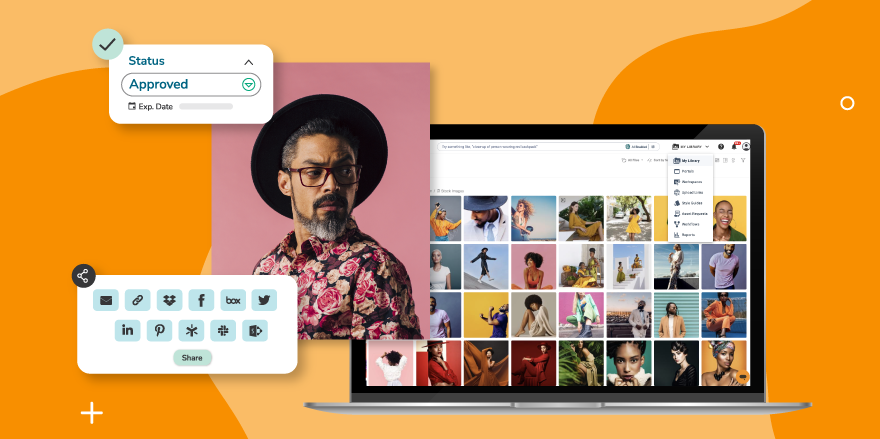
Content controls work alongside this. Brand assets can be marked as approved, restricted, or set to expire on a specific date — giving brand managers full visibility over what’s active in the library. In a well-run BAM system, this kind of governance happens automatically.
Brand guidelines and style guides
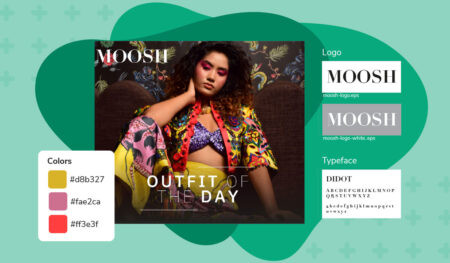
Brand guidelines don’t do much good buried in a PDF no one can find. The best brand asset management systems integrate brand guidelines directly into the platform, so teams see usage instructions alongside the brand assets themselves. Canto’s Style Guides feature lets you manage and share your digital assets — logos, colors, sample imagery, fonts, and key messaging — in one place, making it easy for any team member to maintain consistency without having to ask.
Brand guidelines should also capture your brand voice, the visual elements that define your look, and instructions for using brand assets across different contexts. When brand guidelines live where teams already work, consistent branding happens naturally rather than by enforcement.
Brand templates and asset creation
One of the most powerful ways to maintain a consistent brand image is to give teams ready-made, locked templates they can customize within approved parameters. Canto’s Brand Studio does exactly this: AI-powered templates let marketing, sales, and regional teams create on-brand content independently, with logos, fonts, and layouts locked to protect brand standards. The result is faster content creation and a brand style that stays consistent across every piece of content — without the back-and-forth.
Digital rights management
Digital rights management (DRM) protects your brand assets from misuse and legal exposure. A brand asset management tool with DRM capabilities lets you track licensed and copyrighted brand assets, set terms and conditions for usage, and apply watermarks to sensitive digital files. This is especially important for organizations with large libraries of visual assets or brand assets shared with third parties.
Approval workflows
New and modified brand assets need a clear path to approval before they go live. Canto’s Approval Hub centralizes this process with threaded comments, visual markup tools, version comparison, and automated notifications — so review cycles move faster and nothing slips through without sign-off. Automated approval workflows in a brand asset management system ensure brand compliance before brand assets are published or distributed.
Distribution and brand portals
Getting the right brand assets to the right people is just as important as organizing them. Brand portals let you curate branded collections for any audience — partners, retailers, regional marketing managers — with customizable access controls. Share links can be set to expire, password-protected, or watermarked for added security.
Media Publisher takes distribution further by resizing, reformatting, and delivering brand assets in real time to websites, storefronts, and digital platforms, backed by a global CDN. When brand assets are updated in Canto, they update everywhere automatically — so your target audience always sees current marketing materials, wherever they encounter your brand.
Who needs brand asset management?
Any organization that shares brand assets across teams or with partners benefits from a formal BAM strategy. That includes:
Marketing and creative teams working with high volumes of brand assets and digital assets across campaigns, channels, and markets. Quick access to the latest approved brand assets is an essential part of daily work for marketing teams producing content at scale.
Enterprises with multiple brands or regions where maintaining brand consistency requires clear governance, a strong brand identity across markets, and easy access to all your brand assets across the organization.
E-commerce businesses that need brand assets and product content in sync across multiple platforms, from their own storefronts to third-party retailers — and need brand portals and distribution tools to manage it at scale.
Agencies and professional services firms managing brand assets on behalf of clients, where brand consistency and using the right assets are critical to the relationship.
Smaller, growing businesses that haven’t yet felt the pain of scattered brand assets — but will. Implementing a brand asset management system early avoids the expensive and time-consuming process of cleaning up a disorganized digital asset library later.
How to get started with brand asset management
Effective brand asset management starts with a comprehensive audit of your current brand assets. Before setting up any brand asset management system, take stock of what brand assets and digital assets you have, where they currently live, and which versions are actually approved for use. A gap analysis at this stage helps identify brand related assets that are frequently needed but missing from the library.
From there, a strong BAM strategy comes down to a few core practices:
Build a clear structure. Create a logical folder hierarchy that reflects how your teams actually search for content — by campaign, channel, asset type, or product line. Consistent metadata tagging is what makes brand assets truly discoverable.
Set up role-based permissions. Decide who needs to access brand assets and configure permissions accordingly. Brand managers may need edit rights; marketing managers and partners may only need access to download approved assets.
Embed your brand guidelines. Don’t separate your brand guidelines from your brand assets. When instructions live alongside the digital files they relate to, marketing teams are far more likely to follow them — and your brand style stays consistent without extra effort.
Conduct regular audits. Brand assets need ongoing maintenance. Schedule regular reviews to archive outdated brand assets, update brand guidelines, and fill in any content gaps.
Use analytics. Most brand asset management software includes usage reporting. Tracking which brand assets are downloaded most, which searches return no results, and where teams are spending time helps you refine your library and your broader brand strategy.
Brand asset management with Canto
Most brand problems aren’t really brand problems. They’re systems problems. Teams use the wrong assets because they can’t find the right ones. Off-brand content goes out because approvals are slow. Guidelines get ignored because they live in a document nobody opens. Canto DAM is built to eliminate all of that.
Brand Studio lets any team member create on-brand content from AI-powered templates with locked logos, fonts, and layouts. Approval Hub replaces scattered email threads with structured workflows that actually move. AI Visual Search finds the right asset in seconds using plain-language descriptions. AI Library Assistant keeps your library organized automatically. And Media Publisher ensures that when an asset is updated, it updates everywhere in real time.
The result is a brand asset management system where governance happens by design, not by reminder.
Ready to evaluate Canto?
Take a product tour or request a personalized demo to see the platform in action.