
Digital asset management librarian: Complete guide to roles, skills, and implementation
| March 2, 2026

A digital asset management librarian is a strategic professional responsible for organizing, managing, and optimizing an organization’s digital assets within a DAM system. A digital asset management platform stores, organizes, searches, and distributes your brand’s digital assets. A digital asset refers to any branded content your organization creates, uses, or distributes that is stored digitally. This role combines traditional library science principles with modern marketing stack technology expertise to ensure that digital resources remain accessible, well-organized, and aligned with business objectives.
This guide covers everything organizations need to know about the DAM librarian position — from understanding core responsibilities to hiring effectively and measuring success. Whether you’re an HR professional drafting a Digital Asset Manager job description, an IT manager evaluating team structures, or a library administrator exploring digital transformation, this content addresses your specific needs and pain points around digital asset management implementation.
A digital asset librarian oversees the day-to-day operations that enable DAM programs to function effectively, including metadata management, taxonomy development, user training, and system optimization. Organizations hire these professionals to increase productivity and marketing efficiency, ensure data integrity, and maximize the value of their content investments.
By the end of this guide, you will understand:
- The complete scope of the DAM librarian’s responsibilities and organizational impact
- Technical and strategic skills required for success in this position
- How to structure the hiring process and evaluate candidates effectively
- Implementation strategies that drive adoption and measurable ROI
- Solutions to common challenges that derail DAM initiatives
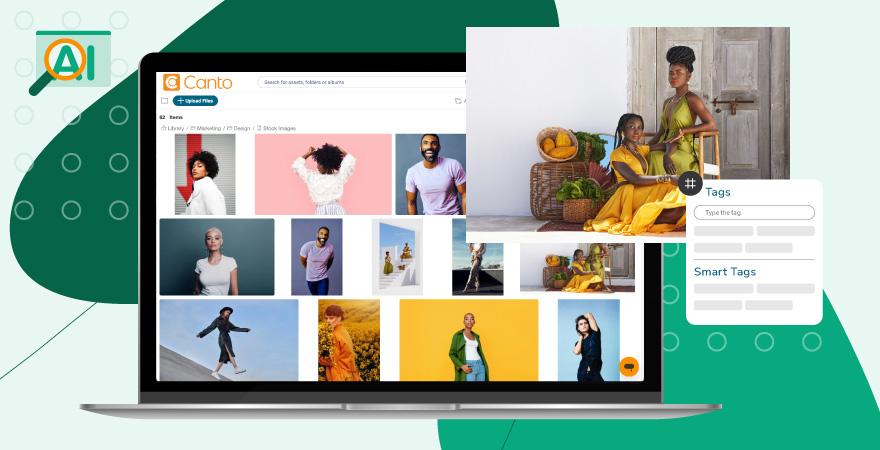
Understanding the digital asset management librarian role
The digital asset management librarian occupies a critical position in modern organizations, serving as the primary steward of digital content operations. This professional ensures that assets — images, videos, documents, and creative files — are discoverable, compliant, and ready for use across departments and external partners.
Core professional identity
A DAM librarian functions as a strategic asset management professional who bridges the gap between information science and technology. Unlike traditional librarians, who focus on physical collections, DAM librarians manage digital resources within specialized platforms, applying robust metadata schemas and controlled vocabularies to enable efficient retrieval.
The connection between library science principles and digital asset management runs deep. Cataloging assets, developing taxonomies, and maintaining descriptive metadata all stem from practices refined over decades in libraries. Modern DAM librarians apply this expertise to address challenges unique to digital environments, including version control, rights management, and cross-platform integration.
Organizational impact
DAM librarians play a vital role in connecting technical systems with business needs. They work closely with content teams to optimize digital asset management workflows, collaborate with marketing departments on brand compliance, and partner with IT to maintain system performance. This cross-functional positioning means DAM librarians directly influence productivity across the organization.
Marketing agencies and media companies often see the most immediate impact from adequate DAM librarian support. When library users can quickly locate and download assets without having to wade through disorganized file systems, creative production accelerates. The relationship between a well-managed DAM system and organizational efficiency becomes clear as asset reuse increases and time-to-market decreases.
Understanding these foundational elements prepares organizations for the detailed skill requirements that define successful DAM librarian candidates.

Core responsibilities and required skills
Building on the strategic importance of this position, successful DAM librarians require a specific combination of technical competencies, information management skills, and business abilities. Organizations must understand these requirements to hire effectively and support ongoing professional development.
Technical competencies
Metadata schema development sits at the center of DAM librarian expertise. Creating robust metadata schemas that support internal search capabilities requires an understanding of both information architecture principles and user behavior. DAM librarians design tagging structures that balance comprehensive description with practical usability.
Platform administration demands hands-on proficiency with DAM systems. Whether working with Canto or other DAM platforms, librarians must configure settings, troubleshoot access issues, and manage permissions for sensitive information. This technical knowledge extends to integration with complementary systems, including CMS platforms, product information tools, and creative software such as Adobe Creative Cloud.
System configuration also includes maintaining data integrity during imports, exports, and migrations. As organizations scale their DAM programs, librarians must ensure that assets transfer cleanly between environments without losing critical metadata.
Information management skills
Taxonomy creation represents a specialized skill that distinguishes DAM librarians. Developing controlled vocabularies requires understanding organizational language, industry terminology, and user search patterns. These taxonomies must be specific enough to enable precise retrieval while flexible enough to accommodate future growth.
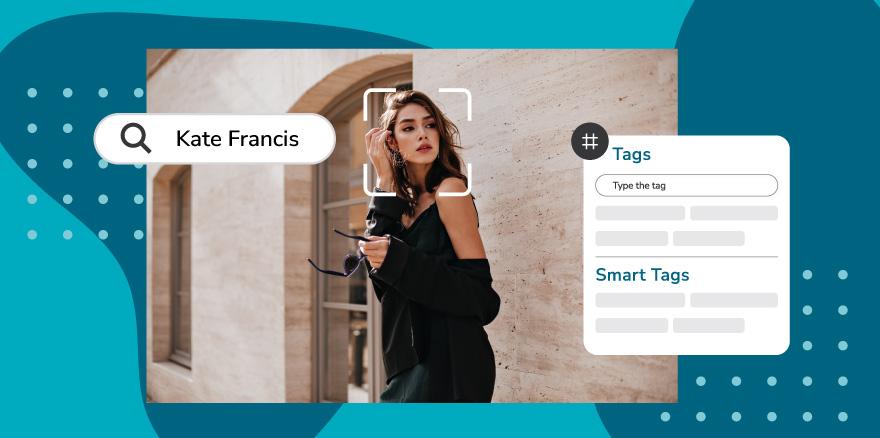
Managing metadata across thousands of assets demands systematic processes for asset tagging. Metadata management refers to organizing, cataloging, and governing metadata so digital assets remain discoverable, trackable, and consistently labeled across your content library. DAM librarians establish clear guidelines for how contributors apply metadata, ensuring consistency whether assets come from internal teams or external partners. Regular audits verify that these standards remain effective as the asset library evolves.
Digital Rights Management (DRM) and compliance oversight protect organizations from legal exposure. Digital Rights Management (DRM) software provides tools to control who can access and use copyrighted or licensed digital products, preventing unauthorized copying or sharing. DAM librarians track licensing agreements, monitor usage restrictions, and ensure that assets meet regulatory requirements, particularly critical in healthcare, finance, and other regulated industries. Meanwhile, digital preservation practices ensure longterm accessibility of archival materials.
Strategic business abilities
Communication skills enable DAM librarians to train users effectively and gain stakeholder buy-in. Developing training programs that address the diverse needs of different user groups — from creative teams that require quick asset downloads to managers who need analytics reports — requires tailoring technical knowledge to varied audiences.
ROI measurement transforms DAM library work from operational support to strategic value creation. Tracking asset utilization metrics, documenting time savings, and proving digital asset management ROI to leadership help justify continued investment. These analytics capabilities also identify opportunities for process optimization.
Workflow design integrates digital asset management best practices into broader business processes. DAM librarians analyze how teams create, approve, and distribute assets, then recommend improvements that reduce bottlenecks and eliminate redundant steps.
The combination of technical, information management, and strategic skills defines the complete DAM librarian profile. Organizations ready to hire must translate these requirements into effective recruitment processes.
Hiring process and implementation strategy
Moving from skill requirements to practical hiring decisions, organizations need structured approaches for recruiting qualified candidates and integrating them into existing team structures.
Recruitment and selection process
Organizations should prioritize hiring a DAM librarian when asset volumes exceed what informal management can handle, when retrieval inefficiencies impact productivity, or when compliance requirements demand systematic oversight. These trigger points suggest that investing in dedicated expertise will yield measurable returns.
Job posting requirements should specify:
- Technical platform experience
- A background in metadata management
- A demonstrated ability to work across departments.
Including specific DAM platforms your organization uses helps attract candidates with relevant expertise. Education requirements typically include a master’s degree in library science, information science, or a related field, although equivalent experience may be substituted.
Candidate evaluation should include:
- Portfolio review examining previous taxonomy development and metadata schema work
- Technical assessment testing platform administration and troubleshooting abilities
- Scenario-based interviews exploring how candidates would handle common challenges
- Reference checking focused on collaboration skills and project outcomes
Onboarding typically requires 60-90 days before new DAM librarians reach full productivity. Initial projects should focus on understanding current asset organization, documenting existing practices, and identifying quick wins that demonstrate value while building organizational knowledge.
Organizational structure options
The reporting structure significantly impacts the effectiveness of DAM librarians. Organizations must choose where this position fits within their hierarchy.
| IT department | Marketing | Library services | |
| Budget authority | Strong technology investment | Campaign-focused allocation | Long-term preservation focus |
| Technical support | Direct access to developers | May require IT escalation | Variable by organization |
| Stakeholder proximity | System-focused perspective | Direct creative team access | Neutral cross-functional position |
| Strategic alignment | Technology roadmap integration | Brand and campaign priorities | Information governance focus |
| Common in | Technology companies | Marketing agencies, media companies | Academic and cultural institutions |
The optimal choice depends on organizational priorities. Marketing agencies typically benefit from marketing-aligned DAM librarians who understand campaign timelines. Technology companies may prefer IT alignment for deeper system integration. Organizations should evaluate where the DAM librarian will have the most significant influence and support for success.
With hiring and structure decisions made, organizations can anticipate and prepare for common implementation challenges.
Common implementation challenges and solutions
Establishing DAM librarian roles rarely proceeds without obstacles. Understanding typical challenges helps organizations develop proactive solutions.
Budget justification and ROI measurement
Demonstrating the value of a DAM librarian, much like proving the business value of DAM software, requires connecting activities to measurable outcomes. Organizations can:
- Track asset utilization rates before and after librarian involvement to show increased reuse
- Document time savings when users can locate assets through improved internal search capability
- Demonstrate increased content repurposing (or decreased recreation of existing content)
Calculate productivity improvements by measuring average search time, version control errors prevented, and compliance violations avoided. These metrics translate librarian work into language that resonates with budget decision-makers and justify continued investment in DAM initiatives.
Stakeholder buy-in and change management
Gaining department-wide adoption requires tailored communications for different audiences. For example:
- Executive stakeholders respond to ROI metrics and risk reduction
- Creative teams value faster asset retrieval and reduced frustration
- Marketing teams value easy discovery, streamlined collaboration, and permissions / approval clarity
- Administrative users appreciate clear guidelines and consistent processes
Training program development should address these varied needs. Offer quick-start guides for occasional users, advanced sessions for power users, and executive dashboards for leadership. Resistance typically decreases when users experience firsthand how a well-organized DAM system streamlines content lifecycle management.
Technology integration and scalability
System selection should prioritize integration capabilities with existing technology infrastructure. DAM librarians should participate in vendor evaluation, offering insights on metadata management features, user permissions systems, and scalability for growing asset libraries.
Future-proofing requires anticipating how asset volumes and types will evolve over time. DAM platforms should be able to:
- Accommodate new media formats
- Support increased user counts
- Facilitate expanded integration needs.
Additionally, building flexibility into metadata schemas and taxonomies prevents costly restructuring as organizations grow. These solutions prepare organizations for long-term success with their DAM librarian investment.
Next steps for hiring a DAM librarian
The digital asset management librarian position is a crucial role for organizations seeking to maximize the value of their digital assets. From metadata management and taxonomy development to stakeholder training and system optimization, DAM librarians provide the expertise that transforms asset chaos into strategic resources.
Organizations ready to move forward should:
- Conduct a needs assessment documenting current asset volumes, retrieval challenges, and compliance requirements
- Create a job description that incorporates the technical competencies, information management skills, and strategic abilities outlined in this guide
- Determine optimal reporting structure based on organizational priorities and stakeholder needs
- Develop candidate sourcing strategies targeting library school programs, professional associations, and industry networks.
Related topics worth exploring include:
- How to choose a digital asset management system
- Strategic implementation frameworks to get DAM right from day one
- Performance metrics that demonstrate ongoing DAM ROI
Why strategic DAM librarians choose Canto
The digital asset management librarian is responsible for turning digital volume into structured value. But even the most skilled professional can’t enforce governance, drive discoverability, or prove ROI without the right DAM platform foundation.
DAM librarians choose Canto because it supports the standards they are accountable for while making their most essential tasks easier with:
- Governance embedded at upload, not retroactively enforced
- AI-powered search that surfaces assets with or without perfect metadata
- AI-assisted metadata frameworks that scale as asset libraries grow
- Built-in digital rights management (DRM) and user permissions that protect compliance
- Analytics that demonstrate asset reuse, efficiency gains, and measurable impact
As content production accelerates, DAM librarians need more than storage. They need intelligent infrastructure that reduces manual tagging, eliminates duplication, and maintains consistency across channels, departments, and partners. As their intelligent content hub, Canto embeds AI across the entire content lifecycle, empowering librarians to shift from reactive asset management to proactive operational leadership.